Gastroscopy in Singapore
A gastroscopy is a procedure used to examine the upper digestive tract, including the oesophagus, stomach, and duodenum. It may be recommended to investigate symptoms such as persistent indigestion, reflux, upper abdominal pain, difficulty swallowing, or unexplained gastrointestinal bleeding.
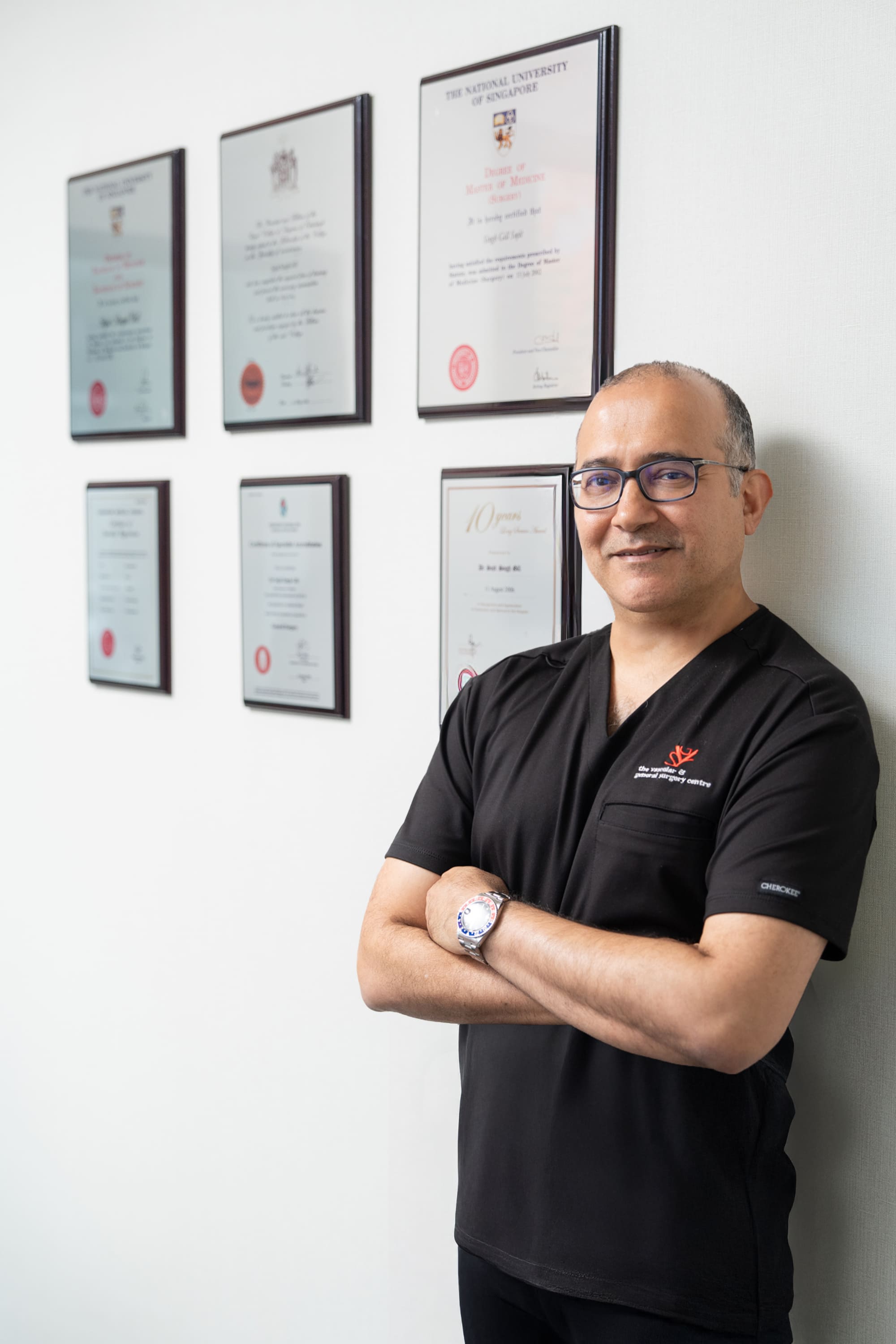
At The Vascular & General Surgery Centre, Dr Sujit Singh Gill provides gastroscopy assessment and diagnostic evaluation, helping patients understand the cause of upper digestive symptoms and determine whether further treatment or follow-up is required.
What Is a Gastroscopy?
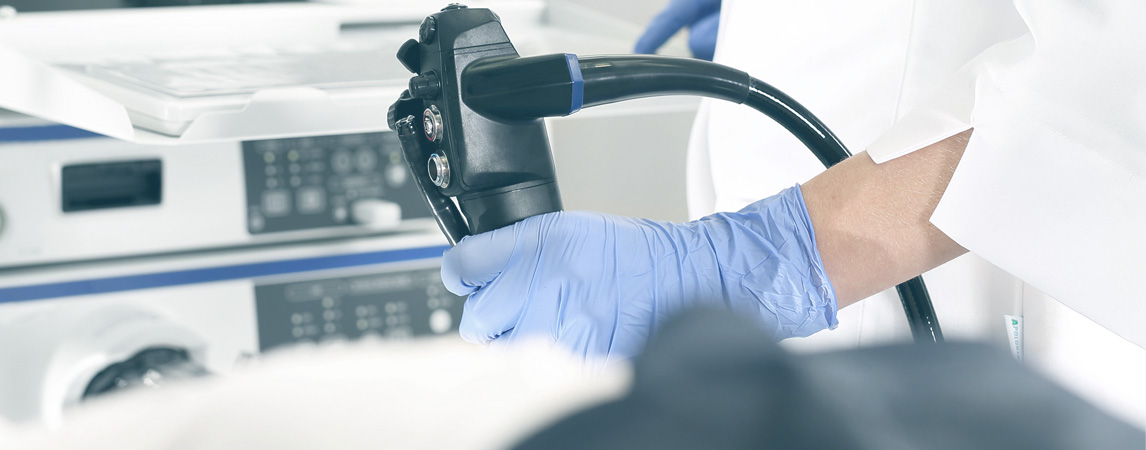
Gastroscopy, also known as upper gastrointestinal (GI) endoscopy or oesophago-gastro-duodenoscopy (OGD), is a procedure that allows a doctor to examine the upper digestive tract using a thin, flexible tube fitted with a small camera.
During the procedure, the gastroscope passes through the mouth to examine the:
- Oesophagus
- Stomach
- Duodenum (the first part of the small intestine)
A gastroscopy can help identify abnormalities affecting the upper digestive tract, such as inflammation, ulcers, reflux-related changes, narrowing of the oesophagus, and other gastrointestinal conditions.
In suitable cases, tissue samples (biopsies) may be collected for laboratory testing, and certain conditions may be treated during the procedure, depending on the findings and clinical situation.
When Might a Gastroscopy Be Recommended?
A gastroscopy may be recommended to investigate symptoms affecting the upper digestive tract or to evaluate abnormalities identified through other tests. Whether a gastroscopy is appropriate depends on your symptoms, medical history, risk factors, and your doctor's assessment.
A gastroscopy may be recommended if you experience:
- Persistent indigestion or upper abdominal discomfort
- Frequent heartburn or acid reflux
- Difficulty or pain when swallowing
- Nausea or vomiting that does not improve
- Persistent bloating or a feeling of fullness after eating small amounts
- Vomiting blood or passing black stools
- Unexplained anaemia or iron deficiency
Your doctor will assess your symptoms, medical history, and risk factors to determine whether a gastroscopy is appropriate and whether any additional investigations are required.
What Can Gastroscopy Detect?
A gastroscopy allows the doctor to examine the upper digestive tract directly and identify abnormalities affecting the oesophagus, stomach, and duodenum. It may help detect conditions that contribute to symptoms such as indigestion, reflux, abdominal discomfort, swallowing difficulties, or gastrointestinal bleeding.
A gastroscopy may help identify:
| Condition or Findings | Why It Matters |
|---|---|
| Gastritis or stomach ulcers | May contribute to abdominal pain, indigestion, nausea, bleeding, or anemia. |
| Gastro-oesophageal reflux disease (GERD) | Persistent reflux can irritate the oesophagus and may require further assessment. |
| Barrett's oesophagus | A reflux-related change in the oesophageal lining that may require monitoring. |
| Oesophageal narrowing (stricture) | Can cause difficulty swallowing or a sensation of food becoming stuck. |
| H. pylori infection | Associated with gastritis, stomach ulcers, and an increased risk of certain stomach conditions. |
| Varices or bleeding lesions | May increase the risk of gastrointestinal bleeding. |
| Polyps or suspicious growths | May require biopsy or further evaluation. |
In suitable cases, a gastroscopy may also allow tissue samples (biopsies) to be collected for laboratory testing. Certain treatments, such as controlling bleeding, removing small polyps, or stretching a narrowed area, may also be performed during the procedure when appropriate.
Persistent indigestion, reflux, upper abdominal discomfort, or swallowing difficulties should not be ignored. Arrange an appointment with Dr Sujit Singh Gill to discuss your concerns and treatment options.
Call +65 6736 2302 to arrange an assessment with Dr Sujit Singh Gill.
How Do I Prepare for a Gastroscopy?
Proper preparation helps ensure that the upper digestive tract can be examined clearly during a gastroscopy. Your doctor will provide specific instructions based on your medical history, medications, and the timing of your procedure.
Before your gastroscopy, you may be advised to:
- Fast for a specified period before the procedure
- Follow instructions regarding food, drinks, and medications
- Inform your doctor about any medical conditions, allergies, or medications you are taking
- Discuss whether certain medications need to be adjusted temporarily before the procedure
- Arrange for someone to accompany you home if sedation is planned
Following the preparation instructions carefully can help ensure that the procedure is performed safely and effectively.
What to Expect During and After Your Gastroscopy Screening
Most gastroscopies are completed as day procedures with minimal recovery time. Here's what you can expect during and after your examination.
- During the Procedure - A gastroscopy is typically performed using a throat spray, sedation, or a combination of both to help ensure comfort during the procedure. A thin, flexible tube fitted with a small camera (gastroscope) is gently passed through the mouth to examine the oesophagus, stomach, and duodenum. If necessary, tissue samples (biopsies) may be collected and certain treatments may be performed during the same procedure. A gastroscopy usually takes between 15 and 45 minutes to complete.
- After the Procedure - Following the procedure, you will be monitored until the effects of the throat spray or sedation have worn off. Mild bloating, belching, or a sore throat may occur temporarily after the examination. Most patients are able to return home on the same day. If sedation was used, you should avoid driving, operating machinery, or making important decisions until the effects have fully worn off.
When to Seek Medical Advice After Gastroscopy
Gastroscopy is a safe and commonly performed procedure, and most patients recover without complications. However, as with any medical procedure, there are potential risks and side effects that patients should be aware of.
Common Side Effects After Gastroscopy
After a gastroscopy, it is normal to experience:
- Mild sore throat
- Temporary bloating or belching
- Mild discomfort in the throat or upper abdomen
- Temporary drowsiness if sedation was used
These symptoms are usually short-lived and improve on their own without treatment.
When to Seek Medical Attention
Seek medical attention promptly if you experience:
- Severe or worsening chest pain
- Severe or worsening abdominal pain
- Fever or chills
- Persistent vomiting
- Vomiting blood
- Black stools
- Difficulty breathing
- Feeling increasingly unwell or weak after the procedure
Although complications after gastroscopy are uncommon, these symptoms may indicate bleeding, infection, or another complication that requires prompt medical assessment.
Gastroscopy Results and Follow-Up
Some findings may be discussed shortly after the procedure. However, if tissue samples (biopsies) are taken, the results may take longer as they require laboratory analysis.
A normal gastroscopy means that no visible abnormalities were identified in the oesophagus, stomach, or duodenum during the examination. Depending on your symptoms, your doctor may still recommend treatment, monitoring, or additional investigations.
| Result | What It May Mean |
|---|---|
| Normal result | No visible abnormalities were identified in the upper digestive tract. |
| Inflammation or gastritis | Irritation or inflammation affecting the stomach lining. |
| Ulcer | A sore affecting the lining of the stomach or duodenum. |
| Biopsy taken | A tissue sample has been sent for laboratory analysis. |
| Abnormal or suspicious finding | Further investigation, monitoring, or treatment may be recommended. |
Your doctor will explain the findings, discuss whether any treatment or follow-up is required, and advise if repeat gastroscopy or additional investigations are appropriate.
Gastroscopy findings should always be considered alongside your symptoms, medical history, and overall health. A personalised consultation can help determine whether treatment, monitoring, or further investigation may be appropriate.
Call +65 6736 2302 to arrange a consultation with Dr Sujit Singh Gill.
What Is the Cost of Gastroscopy in Singapore?
The cost of a gastroscopy in Singapore varies depending on several factors, including the reason for the procedure, whether biopsies are required, the type of sedation used, and the healthcare facility where the procedure is performed.
Factors that may affect the cost include:
| Cost Factor | Impact on Cost |
|---|---|
| Purpose of the procedure | Diagnostic and surveillance gastroscopies may differ in complexity and associated fees. |
| Biopsy or additional treatment | Tissue sampling or therapeutic procedures may increase the overall cost. |
| Sedation and medications | Costs may vary depending on the type of sedation and medications used. |
| Hospital or day surgery facility fees | Facility charges differ between healthcare providers. |
| Insurance and MediSave coverage | Out-of-pocket costs may vary depending on your policy and eligibility. |
For reference, MOH Fee Benchmarks for private specialist surgeon fees list:
- Diagnostic Gastroscopy (SF701I): S$650–S$1,100
- Gastroscopy with Polyp Removal (SF700I): S$1,100–S$1,800
These benchmarks refer to surgeon fees only and do not include hospital, facility, anaesthesia, medication, or other related charges.
A personalised cost estimate can be provided after consultation, based on your symptoms, medical history, procedure requirements, and insurance coverage.
Getting a Gastroscopy with Dr Sujit Singh Gill
Gastroscopy plays an important role in the evaluation of upper digestive symptoms and the detection of conditions affecting the oesophagus, stomach, and duodenum. Whether you are experiencing persistent reflux, upper abdominal discomfort, swallowing difficulties, or other gastrointestinal symptoms, timely assessment can help identify the underlying cause and guide appropriate treatment.
At The Vascular & General Surgery Centre, patients receive personalised assessment and gastroscopy services based on their symptoms, medical history, and individual healthcare needs.
Dr Sujit Singh Gill is a Consultant Vascular & General Surgeon who provides gastroscopy assessment and diagnostic evaluation, helping patients understand the cause of their symptoms and determine the most appropriate next steps.
If you would like to discuss your symptoms, concerns, or suitability for a gastroscopy, contact us to arrange a consultation.
Frequently Asked Questions About Gastroscopy in Singapore
Is gastroscopy painful?
A throat spray, sedation, or a combination of both may be used to help ensure comfort during the procedure. While some patients may experience gagging, pressure, bloating, or a mild sore throat, many tolerate the procedure well. The approach used will depend on your health, symptoms, and clinical requirements.
Will I be asleep during gastroscopy?
Not always. Some patients undergo gastroscopy using a throat spray alone, while others receive sedation and may feel drowsy or remember little of the procedure. Your doctor will advise which option is most appropriate for you.
Why might a biopsy be taken during gastroscopy?
A biopsy involves taking a small tissue sample for laboratory analysis. Your doctor may recommend a biopsy to investigate inflammation, ulcers, abnormal tissue, H. pylori infection, or other findings identified during the procedure.
Can I eat normally after a gastroscopy?
Your doctor will advise when it is safe to resume eating and drinking after the procedure. In many cases, patients can return to their usual diet shortly afterwards, although specific recommendations may vary depending on the findings and whether any additional procedures were performed.
How long does recovery take after a gastroscopy?
Most patients are able to return home on the same day after the effects of any throat spray or sedation have worn off. Mild bloating, belching, or a sore throat may occur temporarily, but many patients can resume normal activities within a day.
What should I avoid after gastroscopy?
If sedation was used, you should avoid driving, operating machinery, drinking alcohol, or making important decisions until the effects have completely worn off. Your doctor will also advise if there are any temporary dietary or activity restrictions following the procedure.